
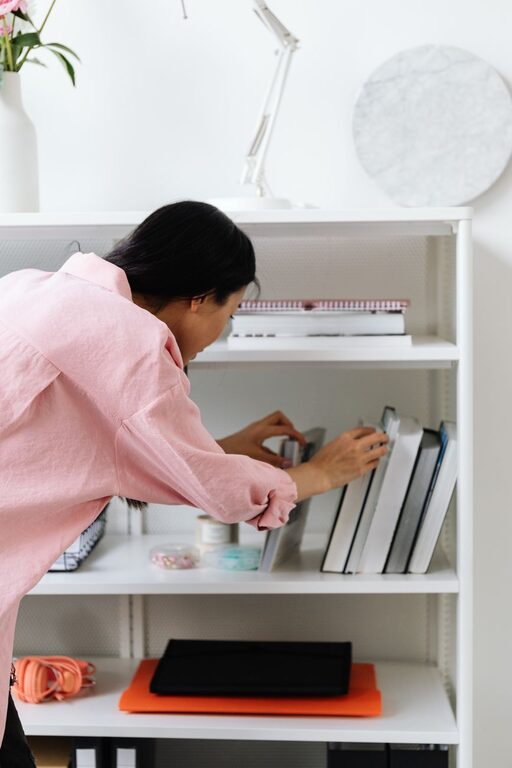
Paper clutter can quickly accumulate in any home, leading to a disorganized space and unnecessary stress. Bills, receipts, school papers, junk mail, and manuals often pile up, making it hard to find what you need when you need it. Fortunately, reducing household paper clutter is achievable with a few simple and consistent habits. In this post, we’ll explore practical ways to manage your paper and keep your home tidy.
Why Reducing Paper Clutter Matters
Paper clutter isn’t just unsightly—it can affect your productivity and peace of mind. When piles of paper take over your counters, desks, or drawers, it’s easy to overlook important documents or feel overwhelmed by the mess. Reducing paper clutter creates a calmer environment and helps you stay organized.
1. Sort and Declutter Regularly
The first step in managing paper clutter is to sort through what you have. Schedule regular intervals—weekly or monthly—to go through your papers.
Create Three Piles:
– Keep: Important documents like bills, legal papers, insurance info, and necessary receipts.
– Recycle: Junk mail, flyers, expired coupons, and outdated documents.
– Digitize: Papers that you want to keep but don’t need a physical copy of.
Sorting regularly prevents piles from growing out of control and makes it easier to manage incoming papers.
2. Go Digital When Possible
One of the best ways to reduce paper clutter is to switch to digital options.
– Opt for e-bills and statements: Most banks, utilities, and service providers offer electronic billing. Enroll for e-statements to reduce paper mail.
– Scan important documents: Use a scanner or a smartphone app to digitize receipts, warranties, and records.
– Use cloud storage: Store digital copies in a secure cloud service like Google Drive, Dropbox, or OneDrive. Label files clearly for easy access.
By converting paper to digital files, you reduce the volume of physical papers and can access documents more easily.
3. Organize With a Simple Filing System
Even if you go digital, some papers must be kept in hard copy. Having a simple, organized filing system helps keep these papers neat.
Tips for effective filing:
– Use labeled folders or accordion files categorized by topic (bills, taxes, medical, school, etc.).
– Keep the system manageable; avoid creating too many detailed categories.
– Store files in a dedicated spot, like a filing cabinet or a portable file box.
– Review and clean out files periodically to remove outdated papers.
A straightforward filing system saves time and keeps important documents at your fingertips.
4. Manage Incoming Paper Daily
To prevent paper piles from building up, it’s important to deal with incoming paper every day.
– Set a paper landing zone: Create a spot near your front door or kitchen counter for incoming mail and papers.
– Sort immediately: Open mail and recycle junk right away.
– Schedule time: Spend 5–10 minutes daily or every other day sorting new papers.
Handling paper daily keeps clutter from piling up and keeps your system effective.
5. Limit Junk Mail
Junk mail is a major contributor to paper clutter. Reducing it can save you time and space.
How to limit junk mail:
– Register with the Direct Marketing Association’s opt-out service online.
– Contact companies directly to request removal from mailing lists.
– Use services like Catalog Choice to stop catalogs and promotional mail.
– Consider a digital mailbox service if you receive a lot of mail.
Reducing junk mail means less paper to sort and recycle every day.
6. Use Paper Wisely and Reuse
Being mindful about your paper use can also help reduce clutter.
– Use both sides of paper when printing or note-taking.
– Reuse scrap paper for grocery lists, notes, or kids’ drawings.
– Keep a small recycling bin or shredder at your desk to manage scraps instantly.
Limiting new paper and reusing sheets reduces waste and clutter.
7. Shred Sensitive Documents Promptly
Privacy is important, so don’t just toss old bills, bank statements, or documents with personal information in the trash.
– Use a shredder to destroy sensitive papers as soon as you decide not to keep them.
– If you don’t have a shredder, some office supply stores and community centers offer shredding services.
– Shredding helps protect your identity and prevents sensitive paper from piling up.
8. Create a Dedicated Home Command Center
A home command center is a small area where you organize papers, calendars, and notes for the family.
– Include a mail organizer, calendar, and bulletin board.
– Use labeled trays or folders for incoming and outgoing items.
– Keep pens, sticky notes, and other supplies handy.
This centralized system helps everyone know where important papers and reminders belong.
—
Final Thoughts
Reducing household paper clutter doesn’t have to be overwhelming. By adopting a few simple habits—sorting regularly, going digital, organizing thoughtfully, and managing paper daily—you can maintain a neat, stress-free home. Start small, stay consistent, and enjoy the benefits of an orderly space with less paper chaos.
Remember, the goal isn’t perfection but progress. Every step you take toward managing your paper clutter creates a more peaceful and efficient home environment.